ChatGPT Agent Cost: What Always-On Dots Mean for Your Bill
OpenAI's Dots run 24/7 inside ChatGPT. Here is what always-on agents cost, how their usage is metered, and how to budget them next to Claude and Gemini.

OpenAI used its 2026 DevDay keynote to launch Dots, always-on agents that live inside ChatGPT and keep working from a cloud computer while you sleep. The pitch is simple: your first dot ships with Pro and Business Premium plans, plugs into more than 4,000 apps, and answers in Slack, Teams, or ChatGPT itself. The detail heavy users actually care about is buried one line deeper. Conversations with your dot do not count against your ChatGPT usage plan.
That single sentence is the most important pricing change of the week. Searches for “chatgpt agent” already run at 6,600 a month in the US with low competition, and the broader “chatgpt agent mode” term adds another 4,400. People are not just asking what an agent is. They are trying to work out what it costs to leave one running all day. This article answers that question, and shows where the meter really lands once you add Claude, Gemini, and Cursor to the same monthly bill.
What OpenAI actually launched with Dots
Dots are always-on agents, not a chat feature you open and close. Each dot runs on GPT-6 Astra inside a cloud computer that stays alive around the clock. It can read and write in more than 4,000 connected apps, respond in Slack and Teams threads, and hold a conversation inside ChatGPT. You name the agent, give it a job, and it keeps going while you are offline.
OpenAI framed Dots as its answer to Meta Muse and Grok Bot, the two always-on agents that arrived earlier in the summer. The pitch is the model underneath: Dots run on a frontier model that OpenAI argues neither rival can match yet. It was one of more than 20 announcements at DevDay, alongside GPT-6.1 Sol at $2 and $10 per million tokens, shared team workspaces, ChatGPT Space and Pages, and an Ultrafast mode.
For a heavy user, the headline is the inclusion rule. Your first dot comes with Pro and Business Premium, and access expands to more tiers later. Everything the dot does in a Slack channel, a Teams thread, or its own ChatGPT conversation sits outside your normal usage allowance.
Why “does the agent count against my plan” is the only question that matters
Most AI subscriptions are metered in ways that are easy to forget. ChatGPT Pro has its own usage rules. Claude Pro and Max share one allowance across chat, Cowork, and the wider app. Gemini has its own tier logic. The moment a product adds an always-on agent, you have two meters running at once: the one you watch, and the one that runs in the background.
OpenAI’s decision to exclude dot conversations from usage plans is a deliberate pricing move, and it cuts both ways. The upside is obvious. A dot that keeps triaging email, summarizing support tickets, or watching a project channel costs you nothing extra against your cap, which is a real saving if you would otherwise burn Pro usage on background work. The catch is that “does not count” is a policy, not a contract. It holds for the first dot, on the current plans, during the current promotion window. If you build a workflow that depends on it, that workflow now depends on a pricing decision you do not control.
The safe mental model is to treat your included dot the way you treat a bundled free tier: genuinely useful, genuinely free today, and not something to hardwire into a revenue-critical pipeline without a fallback.
ChatGPT agent pricing next to Claude, Gemini, and Cursor
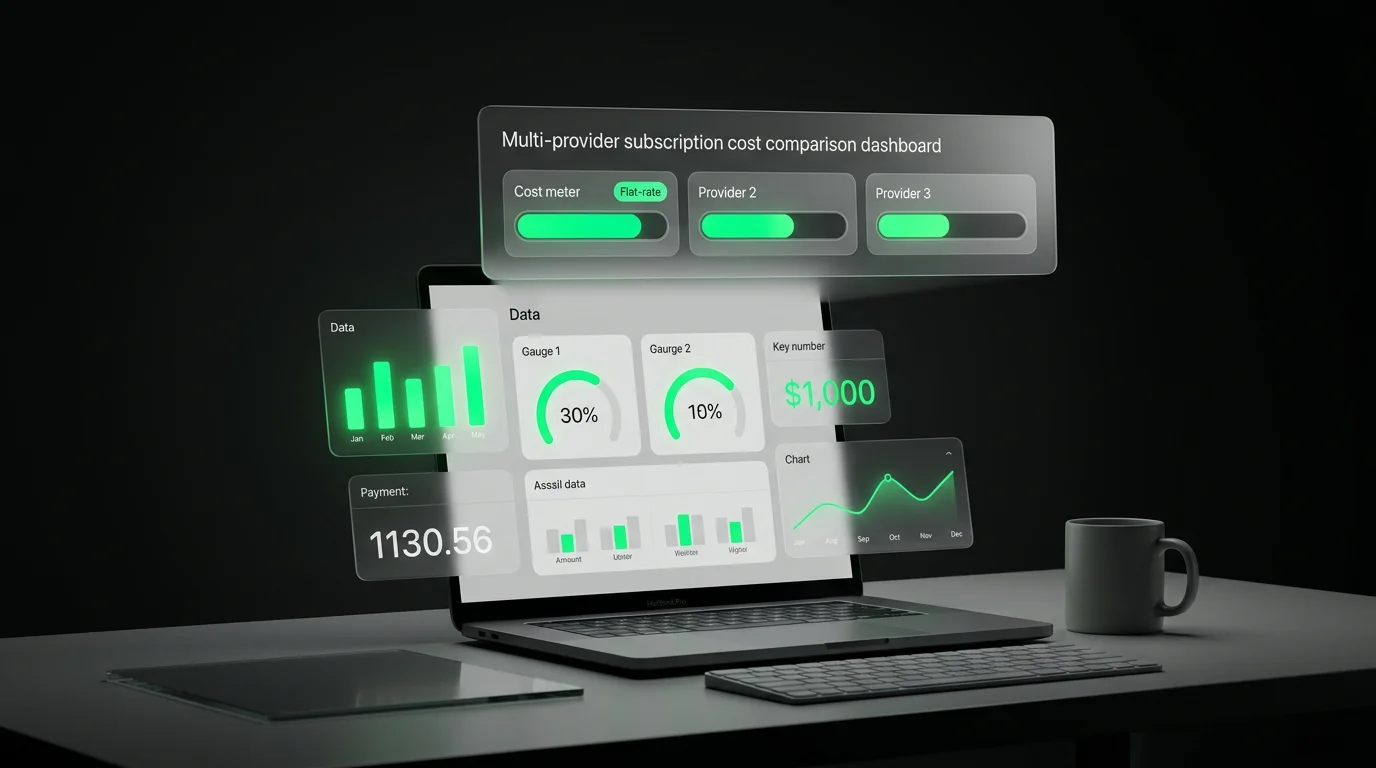
The comparison that matters for heavy users is not ChatGPT versus nothing. It is ChatGPT agent against the other places your automated work could run. Each platform meters background work differently, and those differences decide your monthly bill.
- OpenAI Dots. First dot included with Pro and Business Premium. Dot conversations sit outside your usage plan. Additional dots and expanded access are expected to move onto their own terms.
- Anthropic Claude. Claude Pro and Max draw chat, Cowork, and app work from a single shared allowance. There is no separate always-on agent budget, so background automation competes directly with your interactive use.
- Google Gemini. Gemini plans bundle generous compute at the top tiers, but long-running agent work still consumes the same pool as chat and coding assistance.
- Cursor and coding agents. Cursor meters by request and compute, which makes always-on coding agents a separate cost centre from your chat subscription.
The pattern is consistent. When an always-on agent is bundled and outside the meter, your marginal cost per background task is near zero. When it draws from the same pool as everything else, every background task quietly reduces what you have left for the work you actually watch. That is why knowing which meter a task hits is worth more than any single headline price.
How to budget an always-on agent
You do not need a spreadsheet to run one dot well. You need to decide, in advance, which meter each job should hit. Four moves cover most heavy-user setups.
- Route background work to the bundled agent. Anything that runs while you sleep, watches a channel, or triages a queue belongs on the included dot, where it does not touch your plan.
- Keep interactive work on the plan you already pay for. Do not move the tasks you sit and watch onto an always-on agent just because you can. Your interactive allowance is the resource you feel most directly.
- Give every always-on agent a named owner and a cost line. A dot that spins up sub-tasks across 4,000 apps can spend real money in API credits even when the subscription usage is free. Track the API side separately.
- Measure cost per finished task, not cost per seat. A dot that completes ten tasks a day at a flat rate beats a cheaper plan that fails and retries. Count outcomes, not logins.
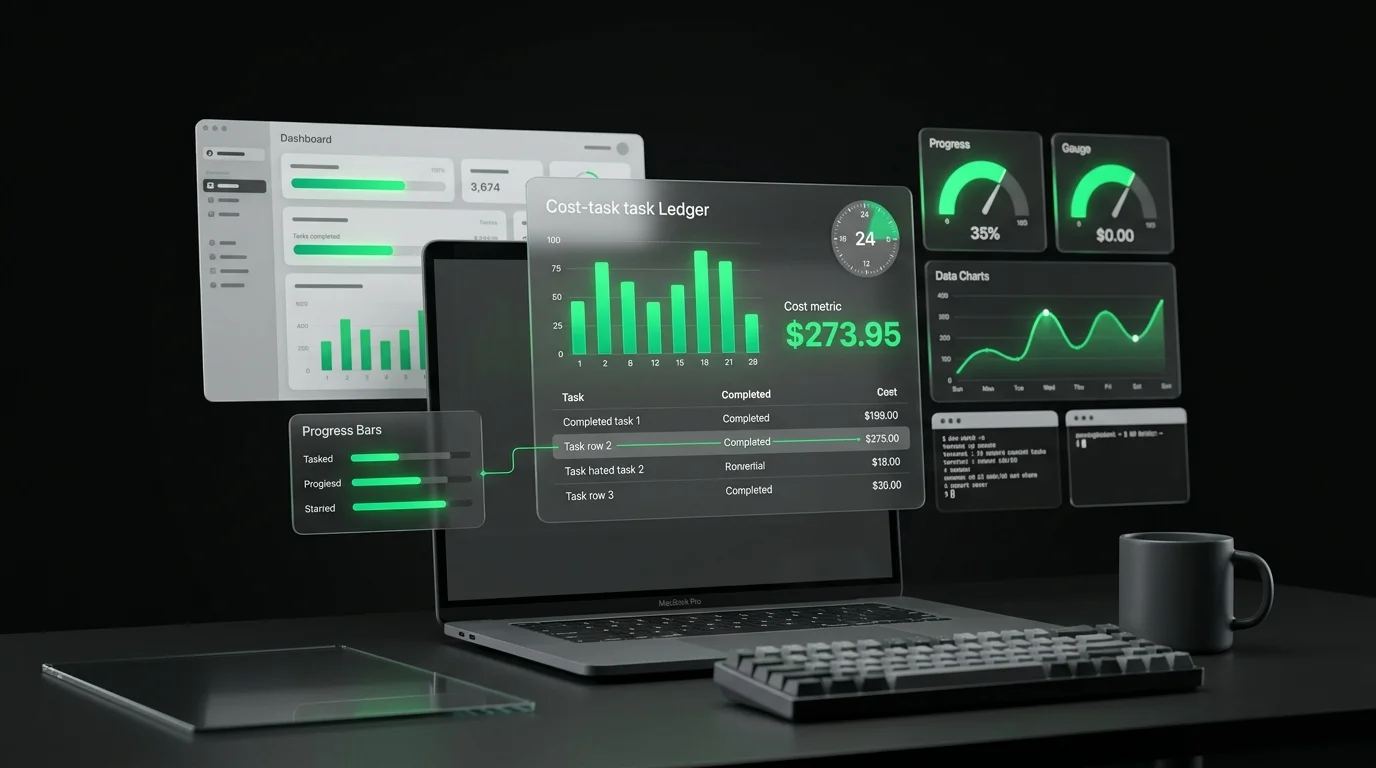
If you want the numbers behind your own setup, the practical starting point is a single ledger that records, per tool, what each finished task cost across OpenAI, Anthropic, and Google. That is the only figure that lets you compare an included dot to a metered alternative on equal terms.
The shift always-on agents signal
Dots matter less as a product than as a signal. The always-on agent is becoming the default form factor for premium AI, and each provider is choosing a different way to charge for it. Meta gave Muse away for free. OpenAI bundles one dot and keeps its conversations off the meter. Anthropic keeps everything on one shared Claude allowance. Google leans on generous top-tier plans.
Those are four different bets on where the money is, and they will not all age the same way. For a heavy user, the winning habit is to stop watching the headline price and start watching which meter each task hits. The subscription is the cover charge. The agent is where the bill is now decided, whichever provider is winning the benchmark race this quarter.
If you are running an always-on agent today, set the owner and the cost line before you scale it. The workflows that survive the next pricing change are the ones that already know what they cost.
Now available
Stop guessing your AI limits
The Mac app and web dashboard watch your Claude, ChatGPT, Gemini and more, and warn you before quotas hit.