Anthropic Acquires Stainless: What It Means for Claude API Pricing and Developer Costs
Anthropic's acquisition of Stainless signals major changes for Claude API pricing and developer tooling. Heavy API users should prepare for new costs.
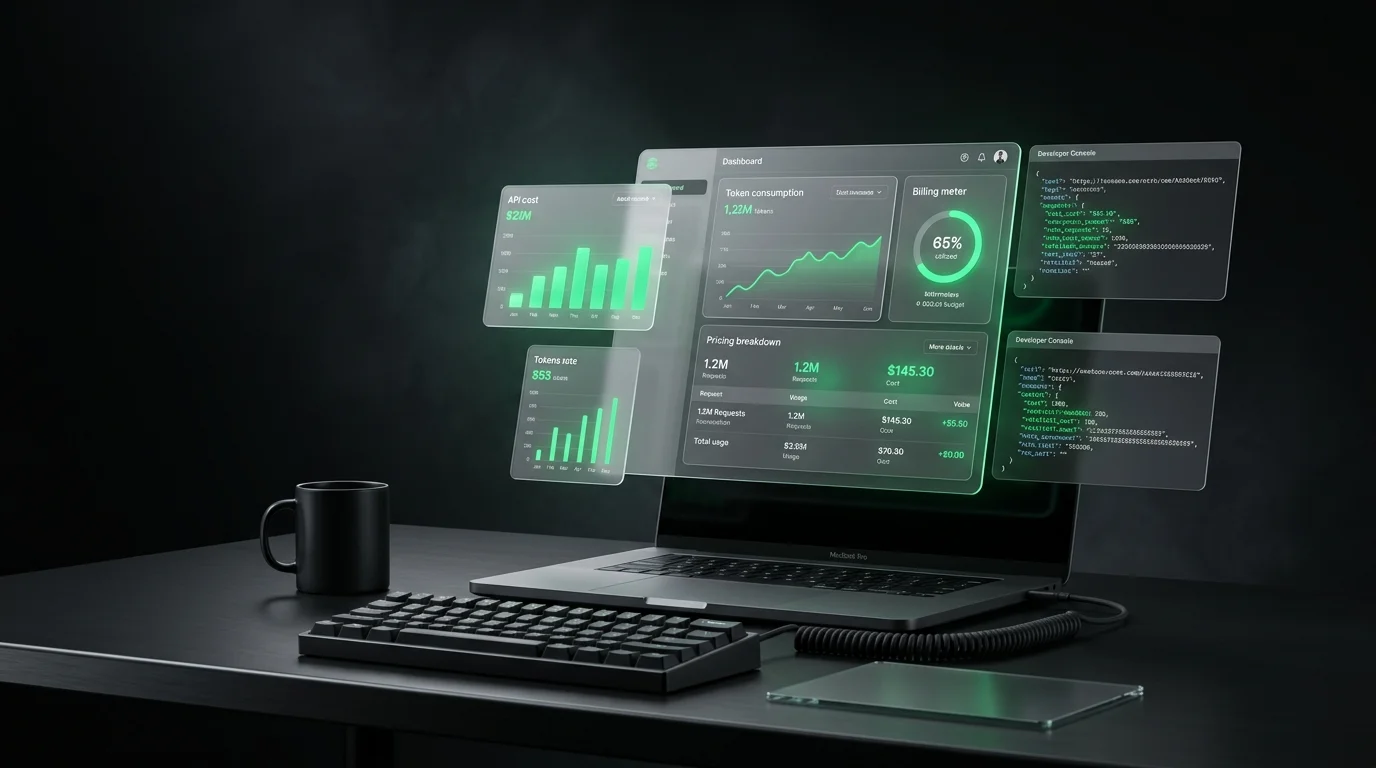
On May 18, 2026, Anthropic quietly announced its acquisition of Stainless, the API developer tooling company behind some of the most widely-used SDK generators in the industry. For heavy Claude API users already spending $300+ per month, this acquisition signals potentially major changes to both pricing structures and developer experience.
What Stainless Brings to Anthropic
Stainless has built the infrastructure that powers API experiences for companies like OpenAI, Meta, and dozens of other major providers. Their SDK generation tools automatically create client libraries in multiple programming languages, handle authentication, manage rate limiting, and provide seamless developer experiences.
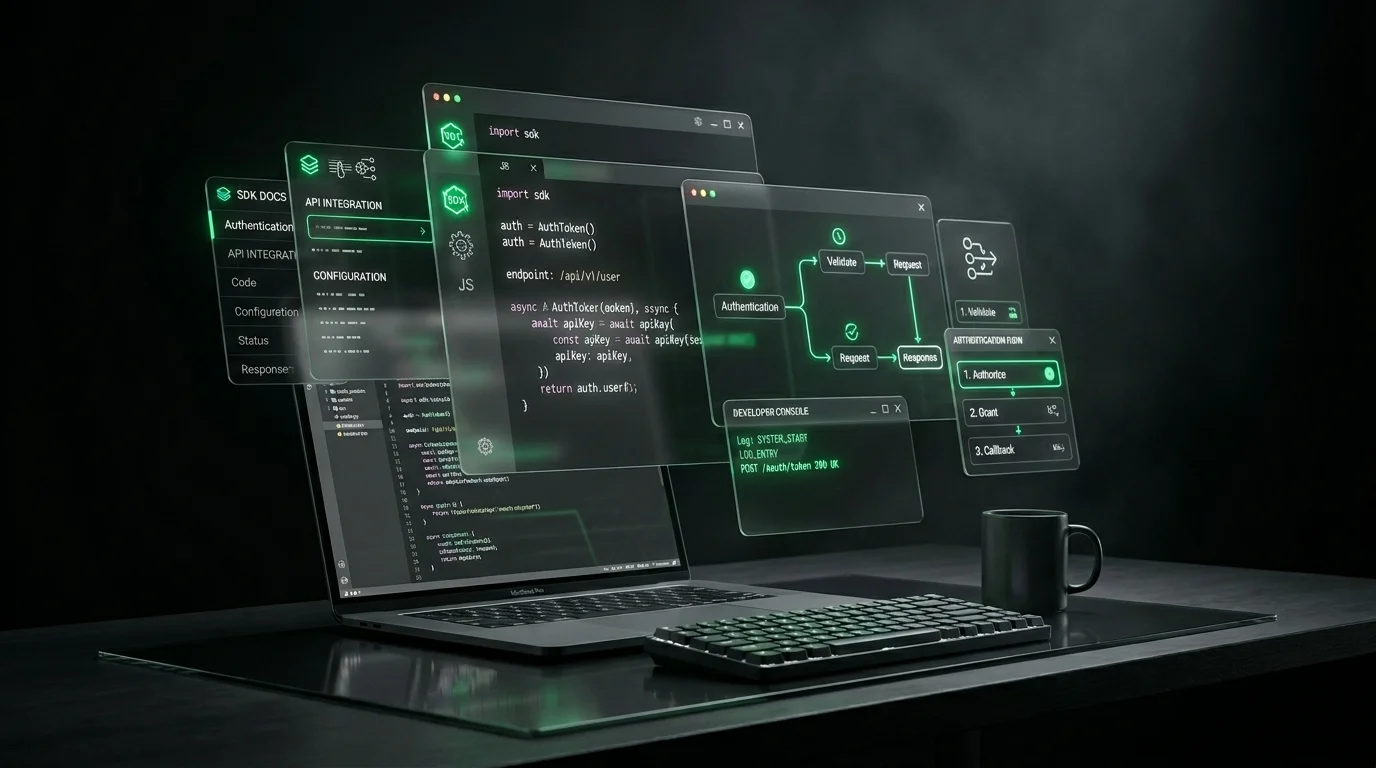
The acquisition isn’t just about tooling—it’s about control over the entire developer journey from API documentation to billing implementation.
Claude API Pricing: Current State and Rising Concerns
Before diving into what this acquisition means, let’s examine the current Claude API pricing landscape that has heavy users on edge:
Current Claude API Costs by Model
- Claude Haiku 4.5: $1.00 input / $5.00 output per million tokens
- Claude Sonnet 4.6: $3.00 input / $15.00 output per million tokens
- Claude Opus 4.6: $5.00 input / $25.00 output per million tokens
For perspective, heavy API users report monthly costs ranging from $200 to $1,000+ for production workloads involving autonomous agents, content generation, and complex reasoning tasks.
Recent Pricing Friction Points
The developer community has been vocal about several Claude API pricing issues:
- Subscription vs API arbitrage: Claude Pro ($20/month) and Max plans ($100-200/month) offer substantially better value than API usage for many workflows
- Unpredictable costs: Complex reasoning tasks with Opus can result in surprise bills
- Limited cost control: Lack of granular usage caps and spending alerts
- Rate limiting complexity: Balancing speed versus cost optimization
Why the Stainless Acquisition Matters for API Users
1. Unified Billing and Usage Management
Stainless specializes in API billing infrastructure. Their integration could mean:
- Improved cost tracking: Real-time usage monitoring with granular breakdowns
- Predictable pricing: Better tools for cost estimation and budgeting
- Flexible billing models: Potential for custom pricing tiers for high-volume users
2. Developer Experience as Competitive Moat
With Stainless’s SDK expertise, Anthropic can create a more sticky developer ecosystem. This typically leads to:
- Premium tooling tiers: Advanced features locked behind higher-cost plans
- Integration lock-in: Deeper embedding in development workflows
- Value-based pricing: Charging based on developer productivity gains, not just token usage
3. Enterprise API Features
Stainless has deep experience with enterprise API needs:
- Advanced authentication: Better security and access control
- Custom rate limits: Tailored limits based on usage patterns
- Priority queuing: Fast-lane processing for premium customers
- Dedicated infrastructure: Isolated resources for consistent performance
What Heavy API Users Should Expect
Near-Term Changes (Next 3-6 Months)
- Enhanced SDKs: Expect more robust client libraries with better error handling and cost optimization features
- Usage dashboards: Improved visibility into spending patterns and cost drivers
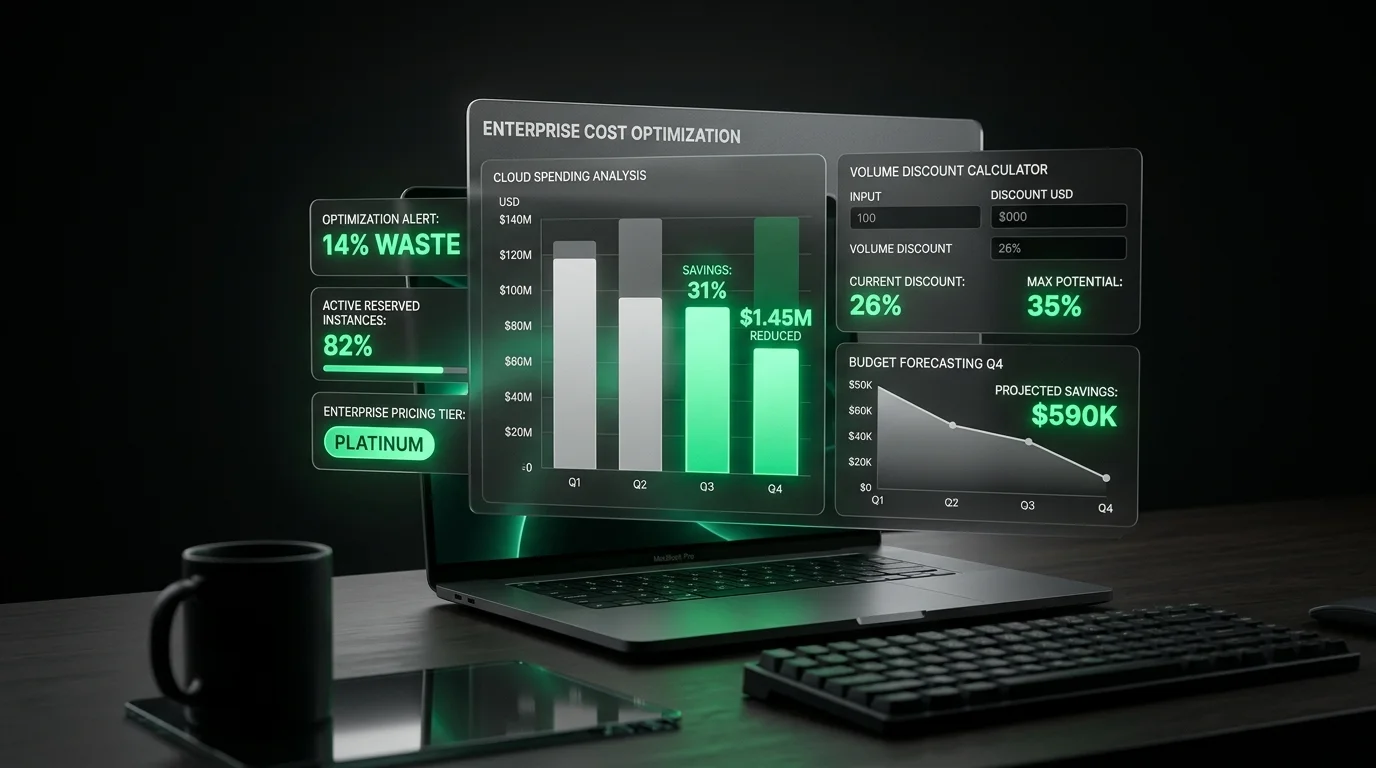
- New pricing tiers: Potential introduction of volume-based discounts or enterprise packages
Medium-Term Implications (6-12 Months)
- Developer platform expansion: Stainless expertise could accelerate Anthropic’s developer marketplace and tooling ecosystem
- Pricing model evolution: Move toward more sophisticated pricing that accounts for model complexity and infrastructure costs
- Enterprise focus: Stronger emphasis on high-value enterprise customers versus individual developers
Strategic Implications for API Budget Planning
For Teams Spending $300-1000/Month
- Document current usage patterns: Track which models and use cases drive the highest costs
- Evaluate subscription alternatives: Consider whether Claude Pro/Max plans offer better value
- Plan for pricing changes: Build flexibility into API budgets for potential cost increases
For Enterprise Users ($1000+/Month)
- Engage with Anthropic early: Establish relationships for potential custom pricing discussions
- Diversify API strategies: Don’t rely solely on Claude for critical workloads
- Monitor competitive alternatives: Keep tabs on OpenAI, Google, and other providers’ pricing evolution
Cost Optimization Strategies in the New Era
1. Model Selection Optimization
With better tooling from Stainless integration:
- Use Haiku for simple tasks (90% cost reduction vs Opus)
- Route complex requests to Sonnet when Opus isn’t necessary
- Implement automatic model fallbacks based on complexity detection
2. Prompt Engineering for Cost Control
- Shorter contexts: Minimize input token usage where possible
- Output length limits: Set explicit maximum output tokens
- Batch processing: Group similar requests to reduce overhead
3. Usage Monitoring and Alerts
Take advantage of improved monitoring capabilities:
- Set spending alerts at 50%, 75%, and 90% of monthly budgets
- Track cost per use case to identify optimization opportunities
- Monitor rate limit utilization to avoid overpaying for unused capacity
Broader Industry Context
Anthropic’s Stainless acquisition follows a pattern of AI companies vertically integrating developer tooling:
- OpenAI: Enhanced developer platform with usage analytics and cost controls
- Google: Vertex AI integration with enterprise billing systems
- Meta: Open-source model distribution with hosting partnerships
This consolidation suggests the industry is moving toward platform plays where API access is just the beginning of longer-term developer relationships.
What This Means for Your AI Budget
The Stainless acquisition signals Anthropic’s intention to build a comprehensive developer platform, not just sell API access. For heavy users, this creates both opportunities and risks:
Opportunities:
- Better tooling for cost optimization and usage prediction
- Potential volume discounts and enterprise pricing options
- Improved reliability and developer experience
Risks:
- Increased platform lock-in making it harder to switch providers
- Pricing complexity as Anthropic introduces new tiers and features
- Potential cost increases as improved tooling justifies premium pricing
Preparing for Change
Smart API budget planning in 2026 requires assuming that current Claude API pricing structures won’t remain static. The Stainless acquisition is just the latest signal that AI providers are evolving beyond simple pay-per-token models toward more sophisticated platform strategies.
For teams heavily dependent on Claude APIs, now is the time to document usage patterns, evaluate alternatives, and build flexibility into both technical architecture and financial planning. The next 12 months will likely bring significant changes to how AI companies price and package their services.
The era of simple, predictable API pricing is ending. The question isn’t whether pricing will evolve, but whether your team will be prepared for the changes ahead.
Now available
Stop guessing your AI limits
The Mac app and web dashboard watch your Claude, ChatGPT, Gemini and more, and warn you before quotas hit.